
What’s Involved in Professional Land Clearing?
People seeking professional land clearing are usually looking to remove trees, brush, and obstacles, and local contractors can handle this efficiently and safely.
Understanding what’s involved in professional land clearing can help property owners make informed decisions about preparing their land for future projects or development. Whether clearing space for construction, agriculture, or landscaping, the process typically involves assessing the land, removing trees and brush, and managing debris-all tasks that require specialized equipment and expertise. Local contractors experienced in land clearing have the knowledge to handle these steps efficiently, ensuring the job is done safely and effectively. Exploring this topic can give property owners a clearer picture of what to expect and how professional services can simplify what might otherwise be a complex and labor-intensive task.
For property owners in the area considering land clearing, understanding the scope of work involved can help determine the best approach for their needs. Local service providers offer the skills needed to evaluate land conditions, select appropriate removal methods, and handle the necessary cleanup. By learning more about what’s involved in professional land clearing, property owners can better gauge the value of working with experienced contractors who can manage the process from start to finish. Keep reading to discover how local pros can assist in transforming overgrown or unused land into a cleared, ready space for your next project.
- Tree and brush removal - needed when clearing a site for construction or landscaping, with local contractors using specialized equipment to safely remove vegetation.
- Stump grinding and removal - required after tree removal to prepare the land, with service providers employing grinding machines to eliminate remaining stumps.
- Land leveling and grading - necessary for creating a stable foundation for building projects, with local pros shaping the terrain to ensure proper drainage and soil stability.
- Vegetation clearing and site prep - performed to prepare large areas for development, with professionals efficiently clearing dense growth to meet project specifications.
- Emergency land clearing services - needed after storm damage or natural events, with local contractors quickly removing fallen trees and debris to restore access and safety.
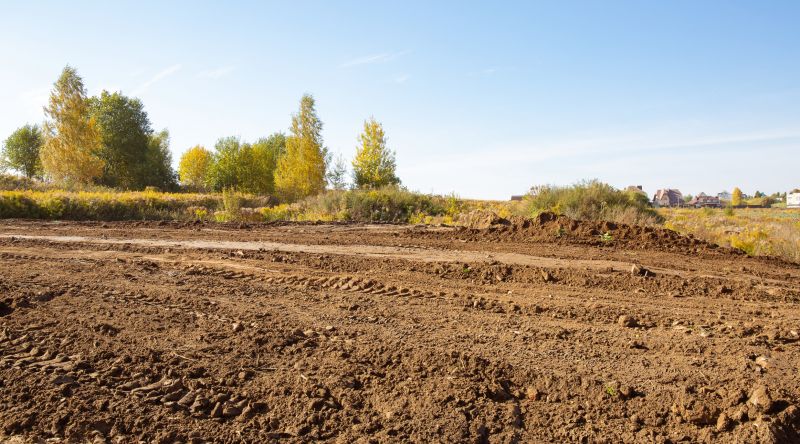
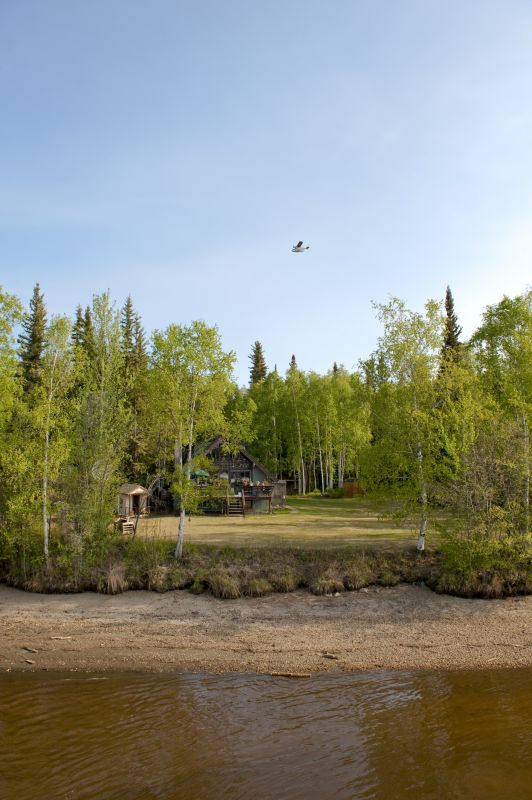
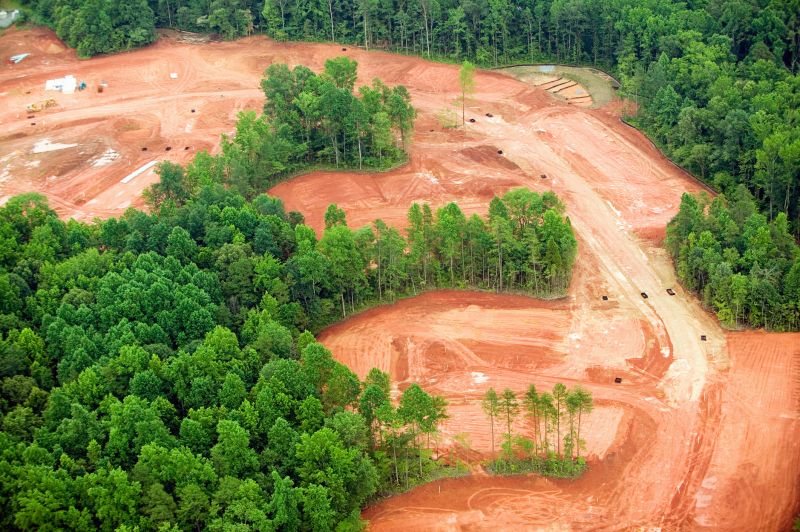
When people search for what’s involved in professional land clearing, they are often trying to understand the scope of work required to prepare a property for a new project, such as building, farming, or development. Land clearing typically involves removing trees, shrubs, and other vegetation to create a clean, accessible space. Homeowners and property owners may be considering this process for various reasons, including making way for construction, creating pasture or farmland, or simply tidying up overgrown land. They want to know what tasks are included, how the work is done, and what kind of equipment or expertise is needed to get the job done efficiently and safely.
Land clearing projects can vary widely depending on the property’s size, terrain, and existing vegetation. For example, a small residential lot may require removing a few trees and bushes, while larger rural properties might need extensive tree removal, stump grinding, and debris hauling. Common problems that lead to land clearing include overgrown brush, fallen trees, or unwanted vegetation that hampers access or development plans. Many property owners also have specific plans for their land, such as installing driveways, building foundations, or creating open fields, which makes professional land clearing an essential first step in turning a vision into reality.
Properties that typically come up for land clearing services include residential lots, farms, commercial development sites, and even recreational areas like parks or golf courses. Residential properties often need clearing before new construction, landscaping, or septic system installation. Farms and agricultural land may require clearing to expand fields or remove hazardous trees. Commercial sites undergoing development need extensive clearing to meet zoning or planning requirements. Regardless of the property type, local service providers bring the necessary equipment and experience to handle the scope of work, whether it involves heavy machinery like bulldozers and excavators or specialized tools for stump grinding and debris removal.
Understanding what’s involved in professional land clearing helps property owners see how these projects connect to their larger plans. It’s a process that requires careful planning, the right equipment, and skilled operators to ensure the land is prepared properly and efficiently. Local contractors who specialize in land clearing can assess each property’s unique needs, recommend appropriate solutions, and handle the heavy lifting. This ensures that the land is cleared safely, thoroughly, and ready for whatever project comes next, making the entire process smoother and more manageable for homeowners and developers alike.
Tree removal services - these projects involve safely cutting down and removing trees, utilizing similar equipment and planning as land clearing to prepare sites for development or landscaping.
Stump grinding and removal - this work focuses on removing remaining tree stumps after clearing, requiring specialized tools and techniques used by land clearing professionals.
Brush and vegetation clearing - clearing dense undergrowth and shrubs involves comparable skills in using heavy machinery and planning to create open, usable land.
Debris hauling and disposal - managing the removal of cleared materials aligns with land clearing processes that involve sorting, transporting, and disposing of debris efficiently.
Site excavation and grading - preparing land for construction or landscaping involves excavation work similar to land clearing, often performed by the same types of local service providers.
Forestry mulching - this technique uses specialized equipment to clear land quickly by mulching trees and brush on-site, closely related to professional land clearing methods.
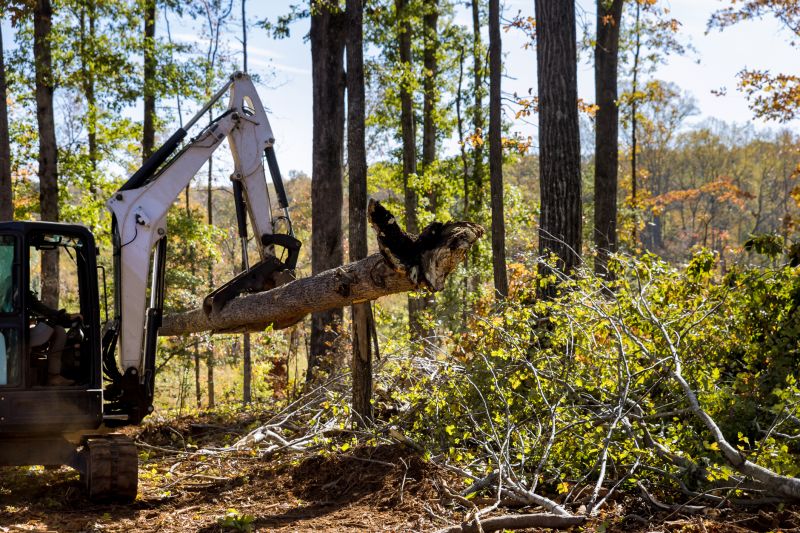
When evaluating local contractors for land clearing services, experience with similar projects is a key factor to consider. Land clearing can involve a range of tasks, from removing trees and brush to grading and preparing the land for future use. Contractors with a history of handling projects comparable in size and scope are more likely to understand the specific challenges involved and execute the work efficiently. Reviewing their past work or asking for examples of completed projects can provide insight into their familiarity with land types and terrain similar to the property in question.
Clear, written expectations are essential to ensure that both the homeowner and the service provider are aligned on the scope of work. A detailed estimate or scope of work document helps clarify what is included in the project, such as the removal of debris, stump grinding, or land grading. This transparency minimizes misunderstandings and provides a solid basis for communication throughout the process. When comparing local pros, it’s helpful to look for providers who can articulate their approach clearly and provide detailed documentation of what the job entails.
Effective communication and reputable references are critical when selecting a land clearing service. Reliable local contractors are typically willing to share references or testimonials from previous clients, giving insight into their professionalism, reliability, and quality of work. Good communication ensures that questions are answered promptly and that any concerns are addressed early on. This ongoing dialogue can make the entire process smoother and help ensure that the project meets expectations, making it easier to compare different service providers and choose the one best suited to the land clearing needs.
Property owners often search for what’s involved in professional land clearing? when they are planning practical projects around their homes and businesses. Local pros provide Professional Land Clearing services for everyday jobs and straightforward project options.
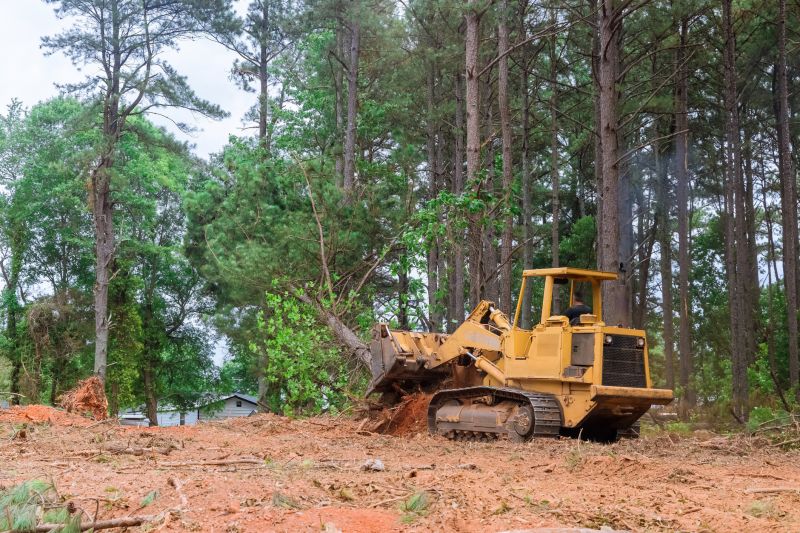
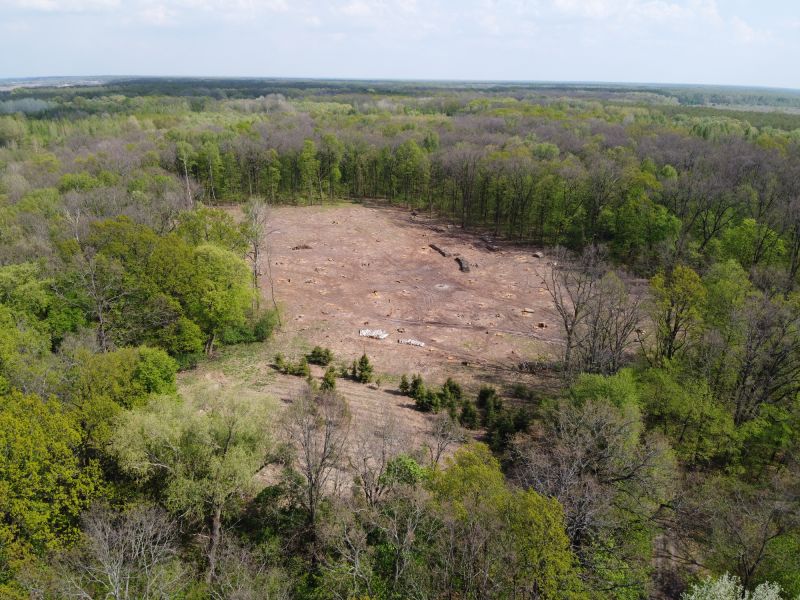
Understanding what’s involved in professional land clearing can help property owners plan for various projects, whether they’re preparing land for new construction, removing overgrown brush, or managing wooded areas. Local contractors typically assess the size and type of property, determine the best equipment for the job, and handle tasks such as tree removal, brush clearing, and debris hauling. These projects often require careful planning to ensure the land is properly prepared, making it easier to develop or maintain in the future.
Property owners often look into professional land clearing services when faced with overgrown or uneven land that needs to be made accessible or ready for use. Local service providers bring the necessary equipment and experience to handle different types of terrain and vegetation, reducing the effort and potential hazards involved in clearing land manually. Whether clearing small lots or large properties, these professionals can help streamline the process and ensure the land is properly cleared to meet the property owner’s goals.
What is involved in professional land clearing? Professional land clearing typically includes removing trees, brush, rocks, and debris to prepare a site for development or other use. Local contractors use specialized equipment to efficiently clear the area while minimizing environmental impact.
How do land clearing services handle large trees and dense vegetation? Land clearing experts utilize heavy machinery such as bulldozers, excavators, and stump grinders to safely and effectively remove large trees and dense vegetation, ensuring the site is properly prepared for future use.
What steps are taken to ensure the land is properly prepared after clearing? After clearing, service providers often perform grading and debris removal to level the land and ensure it is ready for construction, landscaping, or other projects.
Are there any permits or regulations involved in land clearing? Regulations and permits can vary by location, but local pros are knowledgeable about the requirements and can handle the necessary paperwork to ensure the land clearing complies with local codes.
What types of equipment are used during professional land clearing? Equipment such as bulldozers, excavators, mulchers, and stump grinders are commonly used to efficiently clear land and remove unwanted vegetation or obstacles.
Site assessment and planning - Understanding the land's features helps property owners work with local contractors to develop a clear plan for clearing, ensuring the project meets their needs.
Equipment selection and use - Local service providers choose the appropriate machinery for the terrain and scope, making the clearing process more efficient and safe.
Vegetation removal techniques - Contractors apply different methods to remove trees, shrubs, and debris, tailored to the specific property and future use plans.
Site cleanup and grading - After clearing, professionals often handle debris removal and grading to prepare the land for its next purpose, such as construction or landscaping.
If you are thinking about what’s involved in professional land clearing? for a property, this guide is meant to help you understand this topic, the typical project types, and how different options might fit your plans.
When you are ready, you can use the quote form on this page to share a few details about your project. From there, local pros can review the basics and follow up with options that match what you have in mind.